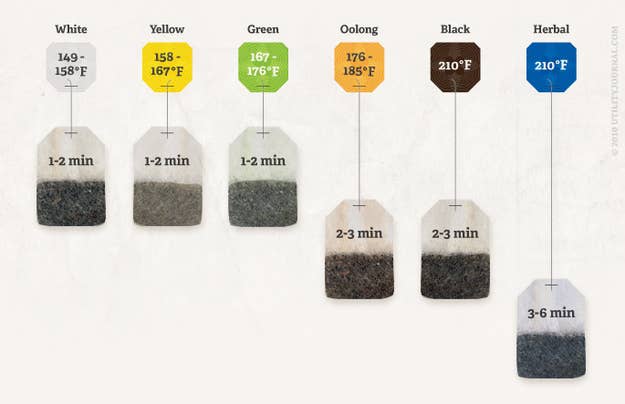
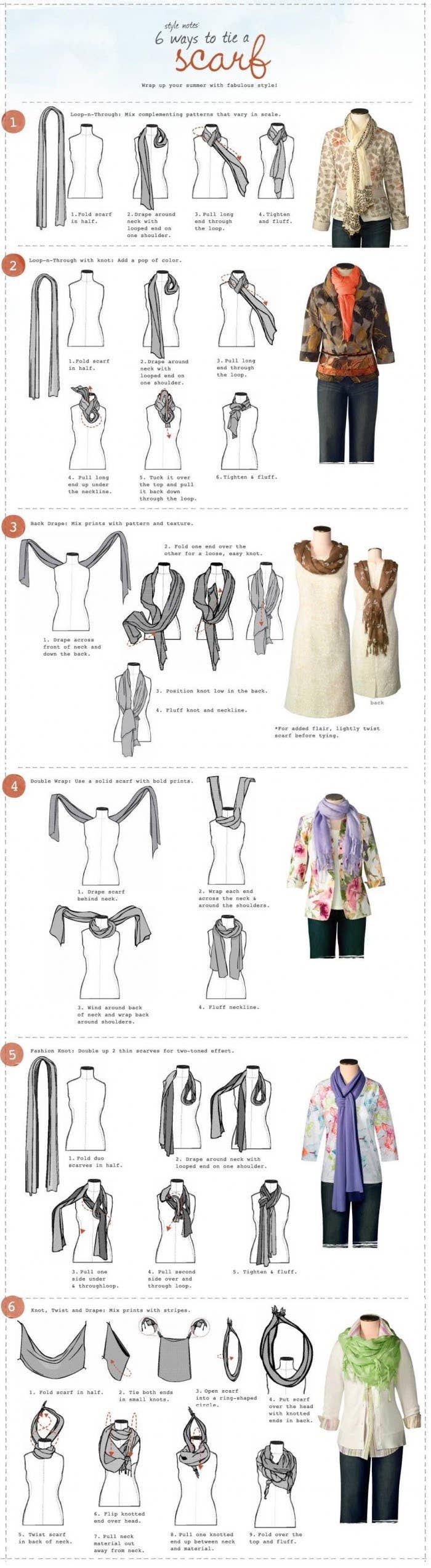
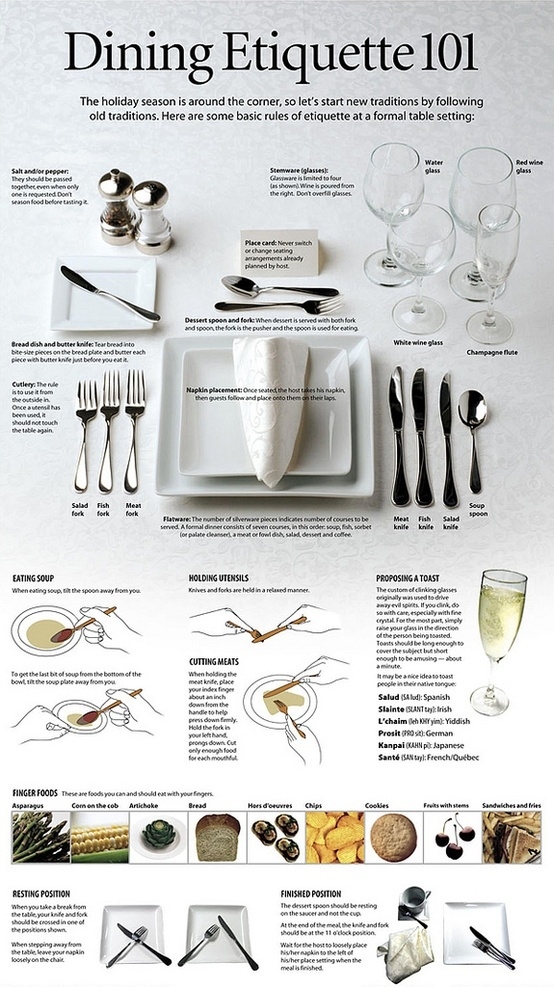
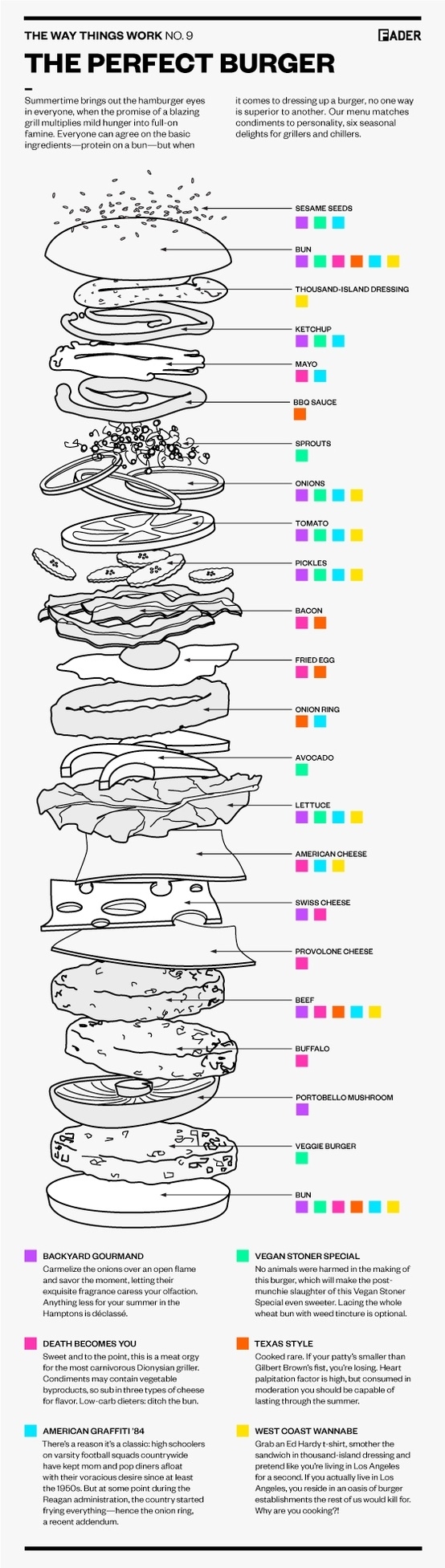
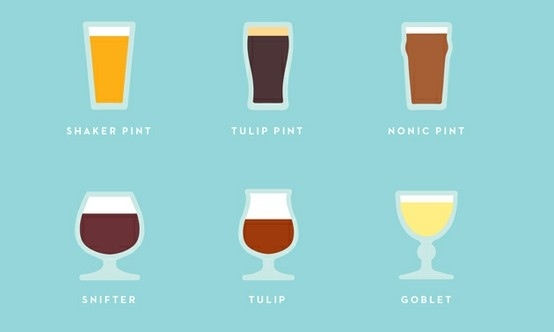
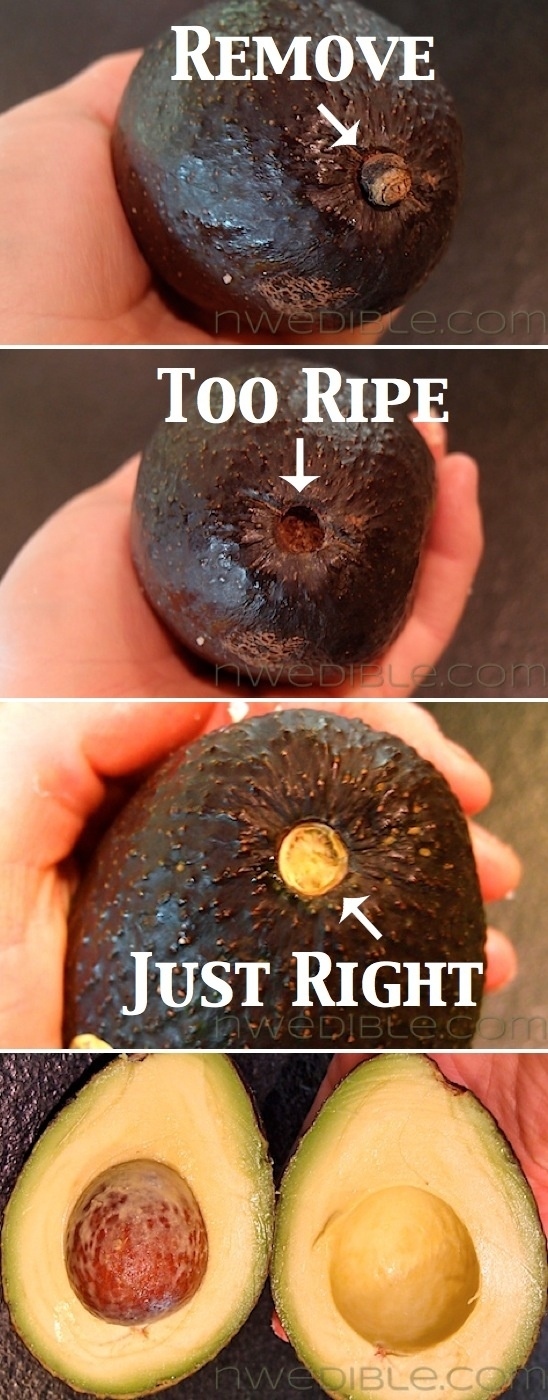
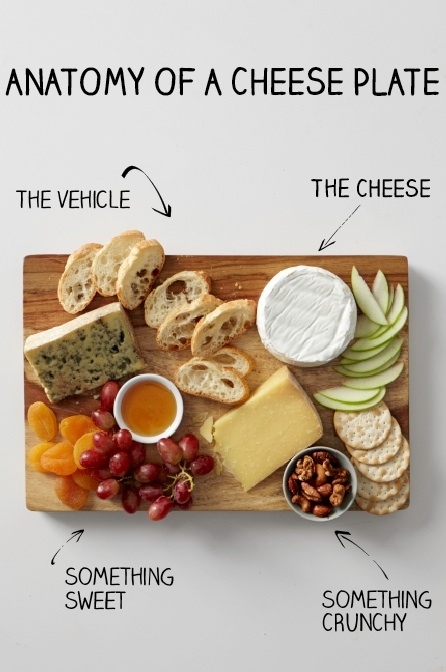
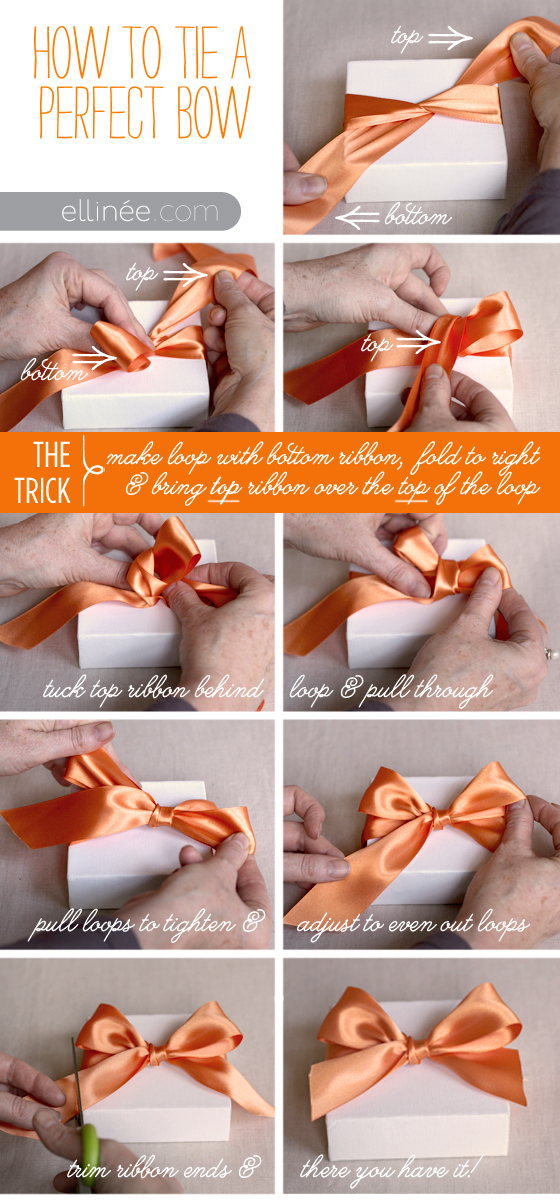
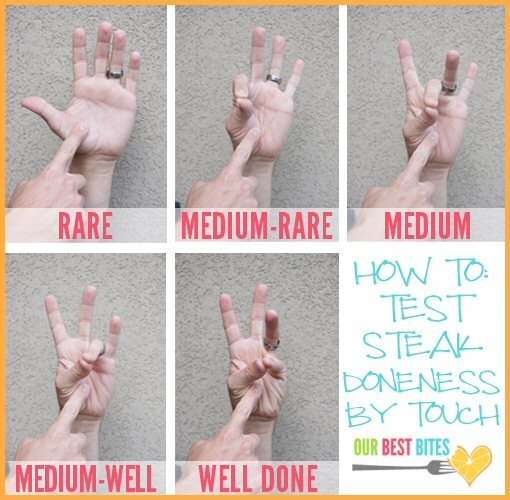
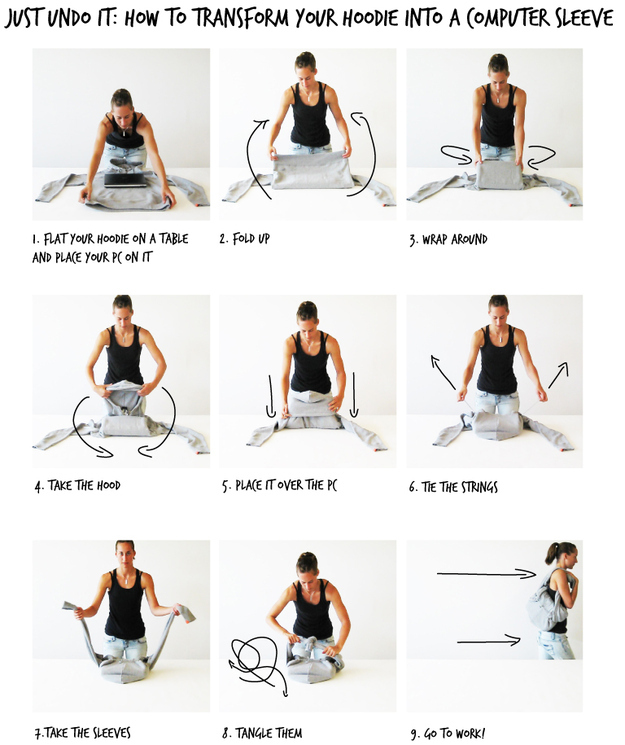
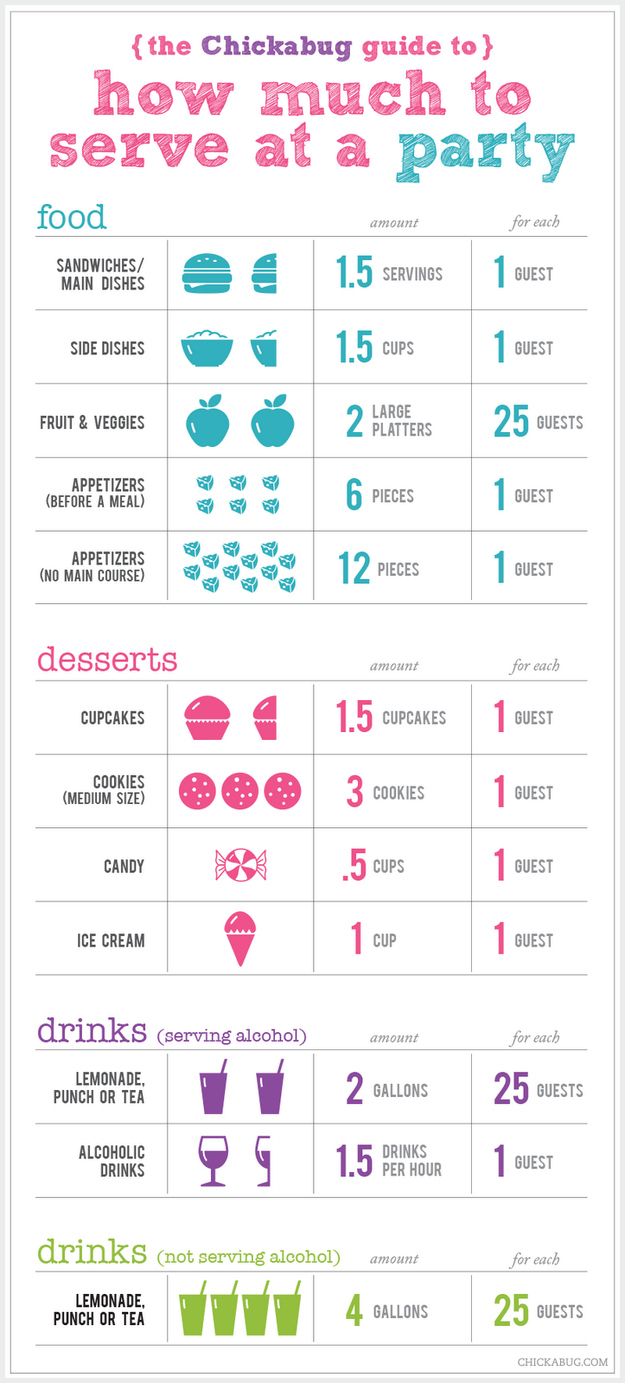
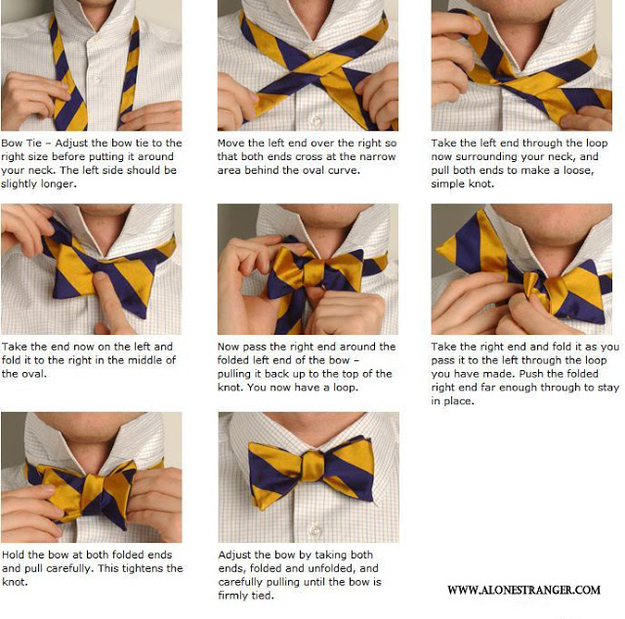
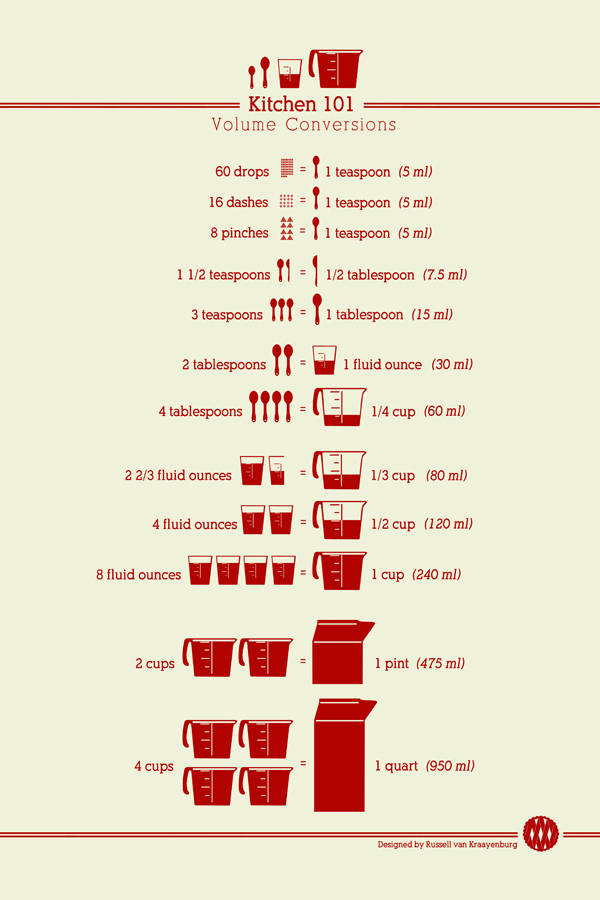
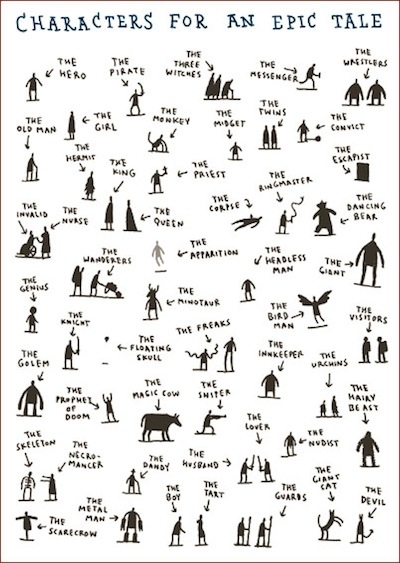
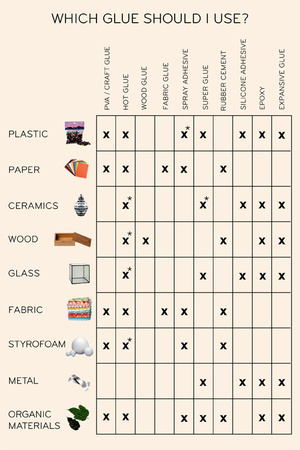
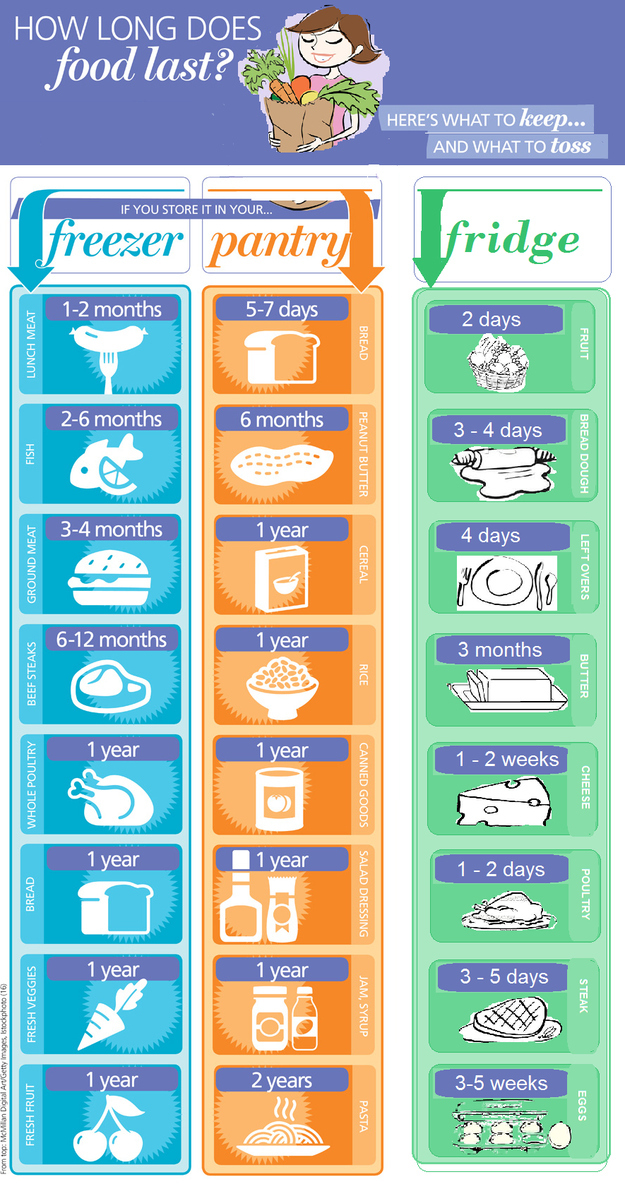
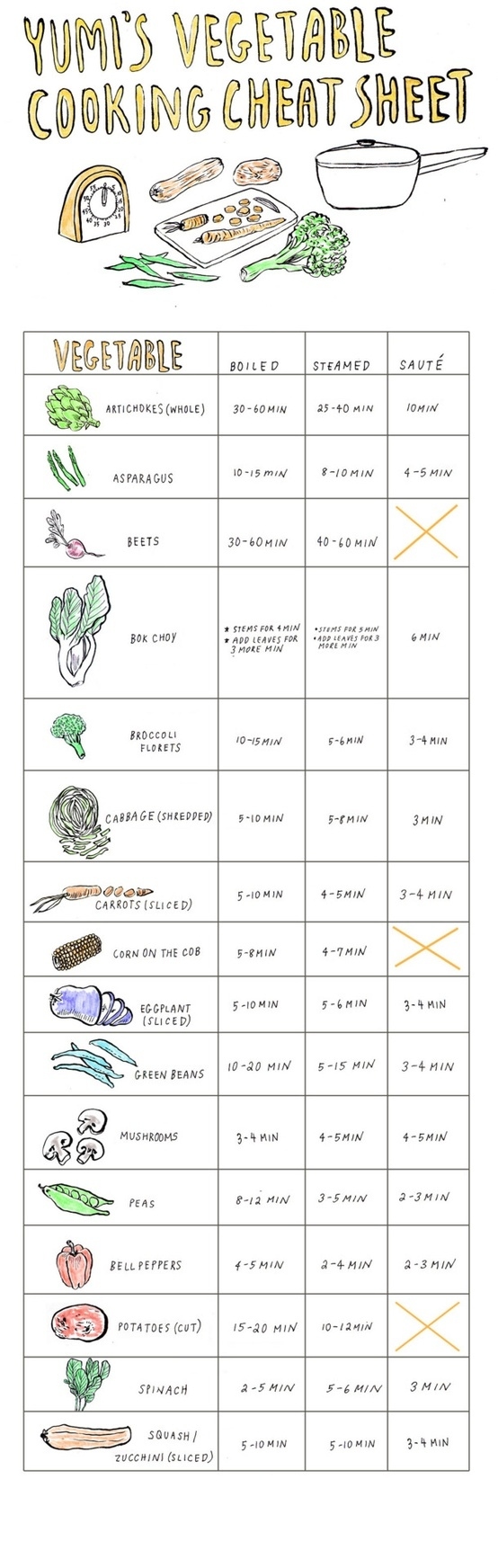
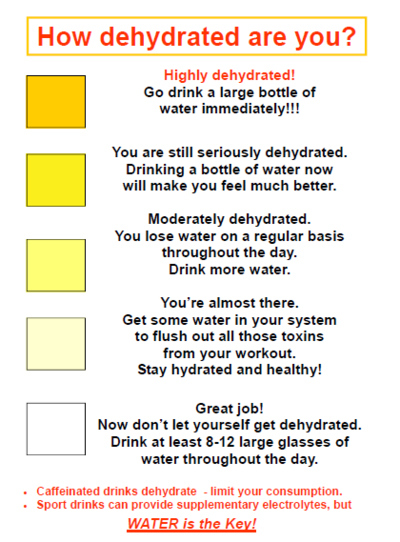
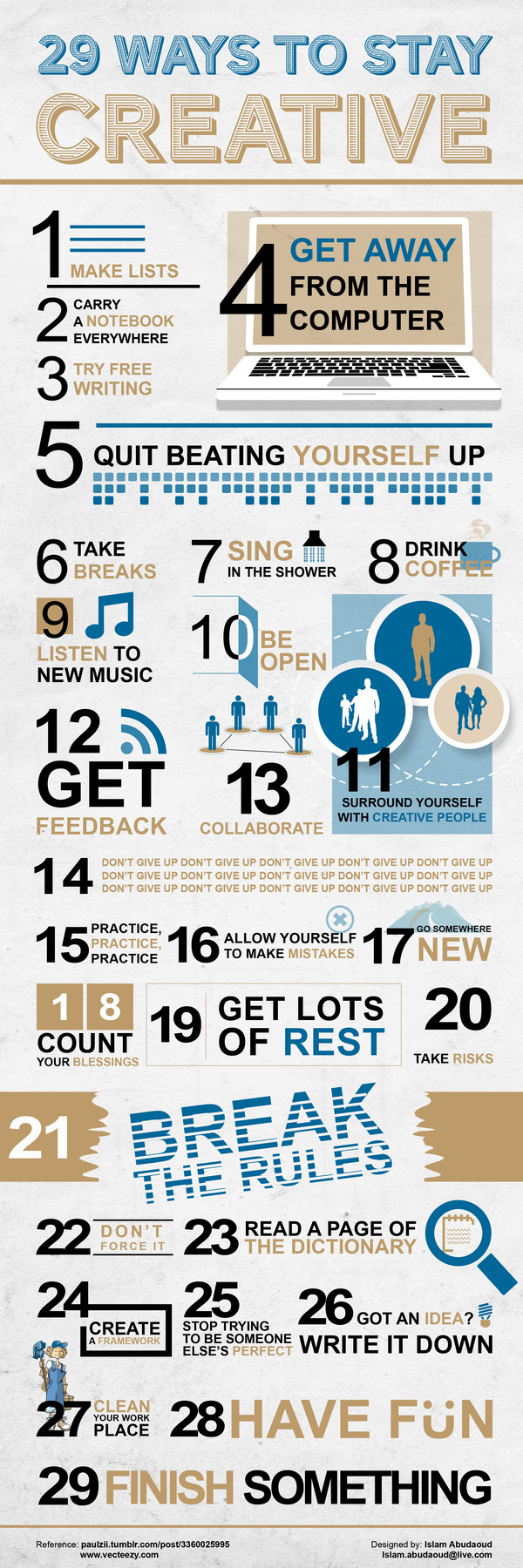
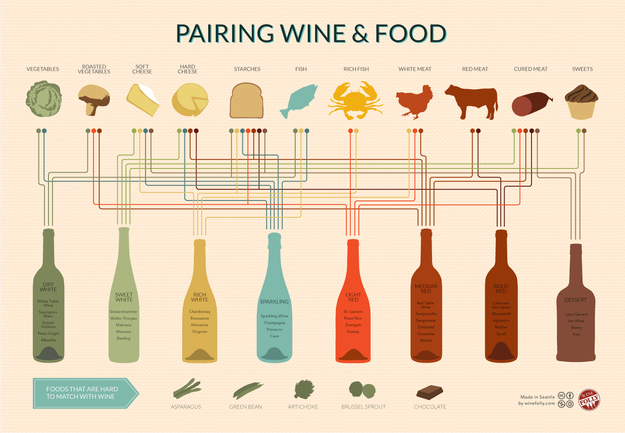
Nifty·Posted on Feb 28, 201321 Incredibly Important Diagrams To Help You Get Through LifeOK, you won't find true love or make a million dollars by following these charts. But someone's bound to be impressed by your profound knowledge of tea bag–steeping temperatures.by Peggy WangBuzzFeed StaffLinkFacebookPinterestTwitterMail 1. How to Get the Perfect Cup of Tea 2. How to Tie a Scarf 3. How to Set a Dinner Party Properly 4. How to Make the Perfect Burger 5. How to Know Which Beer Glass to Use (via Beer Color) 6. How to Determine the Perfectly Ripe Avocado 7. How to Make the Perfect Cheese Plate 8. How to Tip Correctly 9. How to Tie a Perfect Bow 10. How to Know When a Steak Is Done by Touch 11. How to Transform Your Hoodie or Sweater into an Emergency Laptop Sleeve 12. How Much to Serve at a Party 13. How to Tie a Bow Tie 14. How to Convert Measurements for Cooking 15. How to Determine the Characters for the Epic Novel You're Writing 16. How to Determine Which Glue to Use for Any Project 17. How to Know When to Throw Your Groceries Out 18. How to Know How Long to Cook Your Veggies 19. How Dehydrated Are You? (via Urine Color) 20. How to Be a Creative Person 21. How to Determine Which Wine to Drink with Dinner