British King Richard III's Body Found Under Parking Lot
Scientists from the University of Leicester have identified the remains as those of the former king, who died more than 500 years ago. Here's why this is really cool.
Scientists today confirmed that the human remains found underneath a parking lot in central England are those of the country's King Richard III.
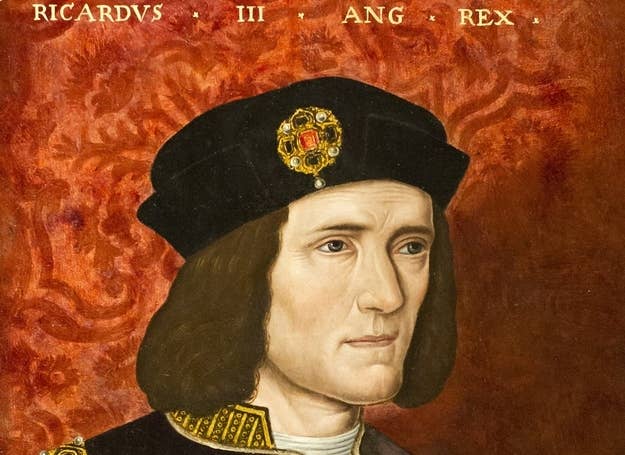
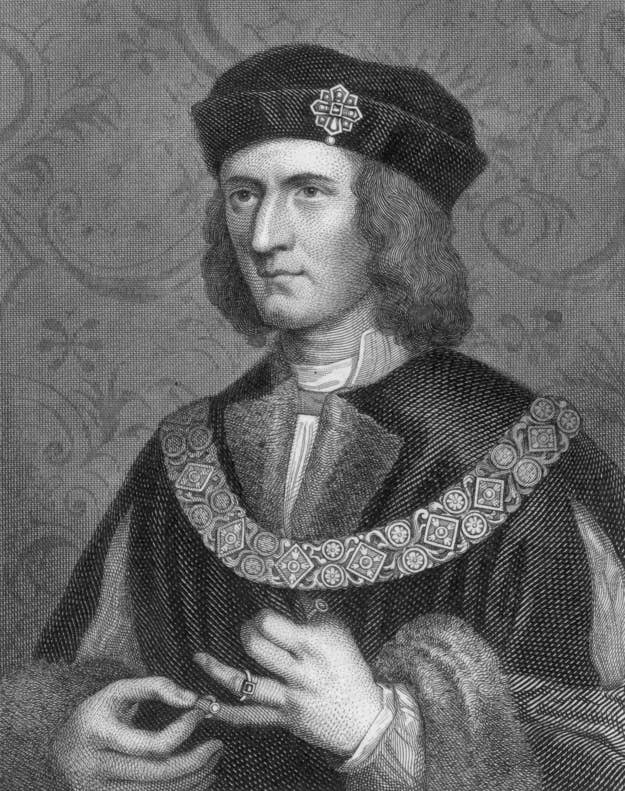
Richard III was King of England from 1483-1485. He was the last ruler of the once-powerful medieval Plantagenet dynasty and the last monarch from the British House of York.
After his brother King Edward IV's death, Richard was appointed Lord Protector of the realm for his 12 year-old nephew Edward V. Soon after the young king arrived in London, Richard declared him illegitimate and took the throne for himself.
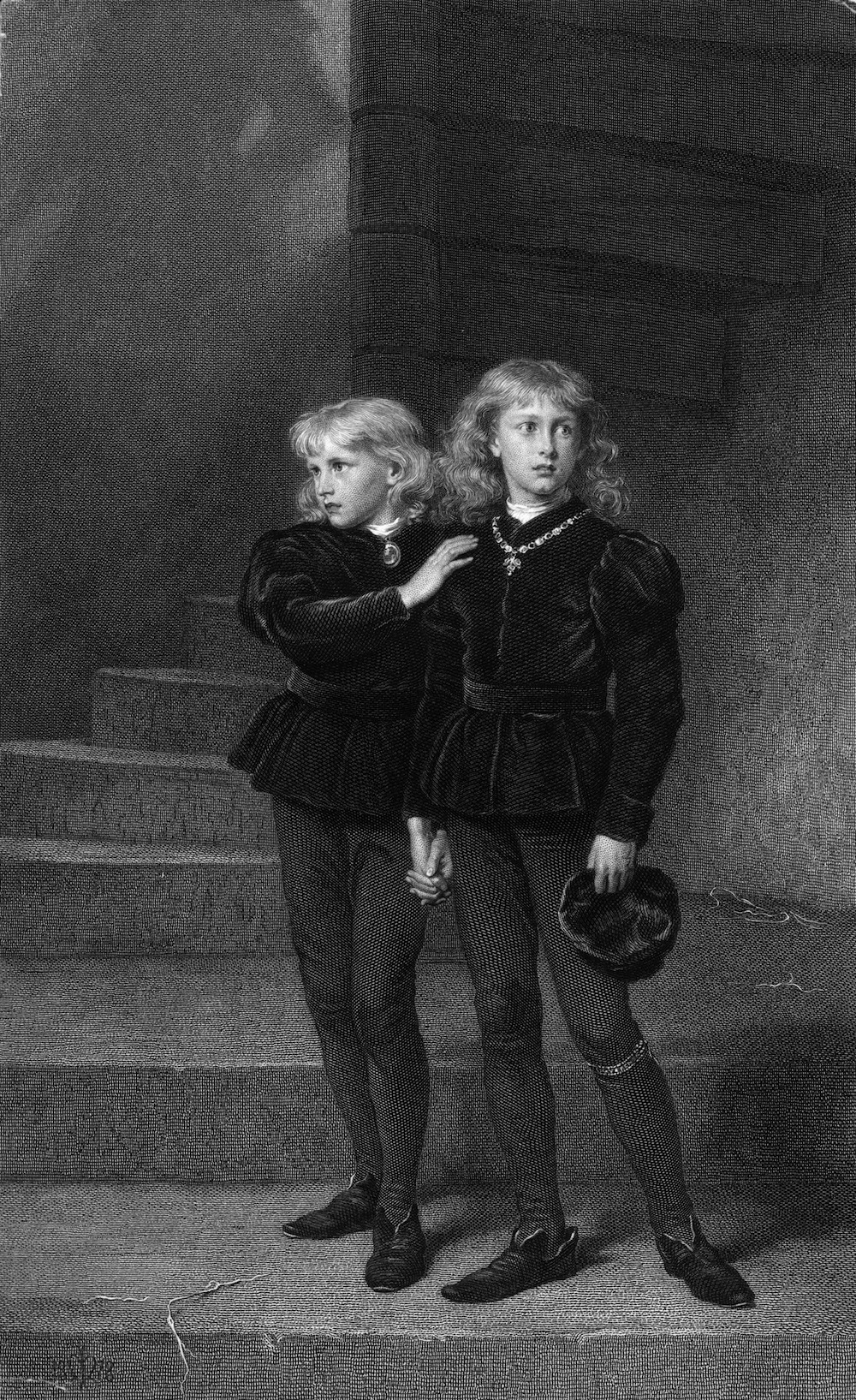
The new king housed Edward and his 9 year-old brother Richard in the Tower of London (ostensibly for their protection). They were never seen after the summer of 1483, leading to rumors that the boys were murdered on Richard III's orders.
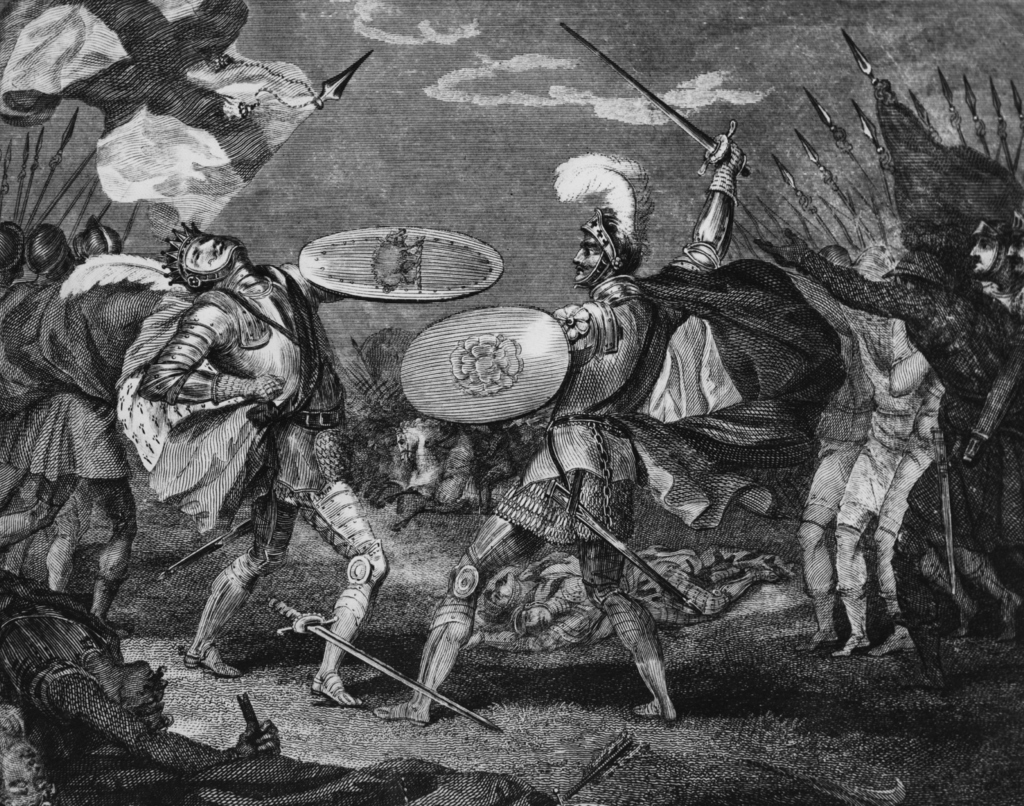
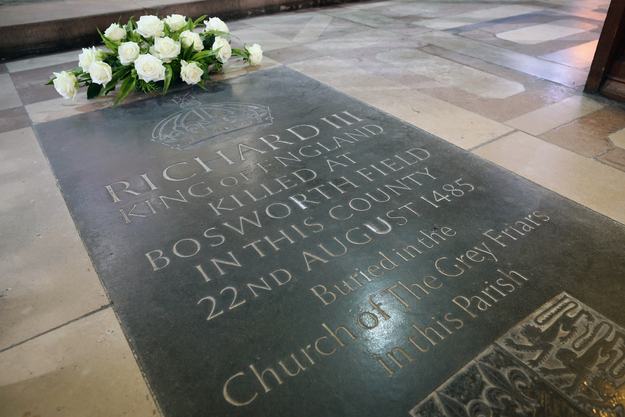
Richard III was killed during the Battle of Bosworth Field on August 2nd 1485, allegedly at the hands of Welsh rebel Henry Tudor. His death marked the end of the War of the Roses and he was the last English king to die in battle.
Henry Tudor, soon crowned King Henry VII of England, had the former king's body buried with little ceremony in Greyfriars Church in Leicester. The building and the king's tomb were destroyed after the dissolution of the Catholic Church in 1536.
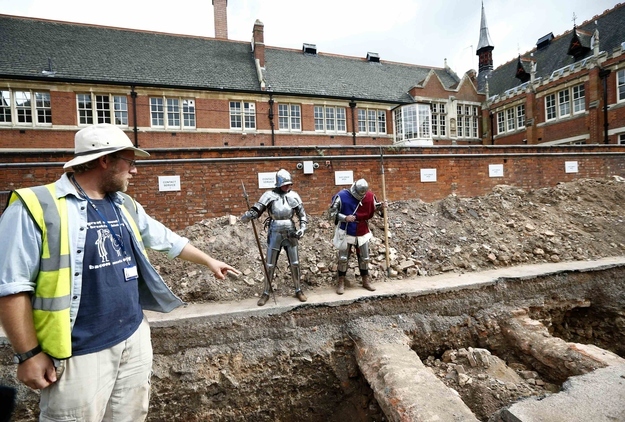
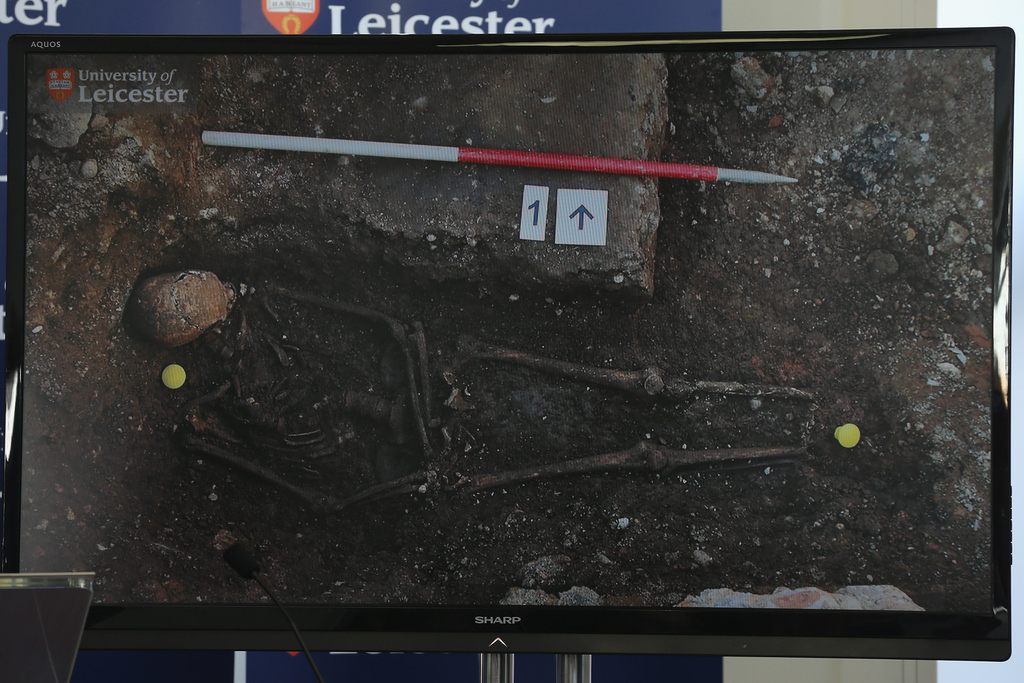
In August 2012, archaeologists from the University of Leicester discovered the ruins of the Greyfriars Church and Friary underneath a city council parking lot.
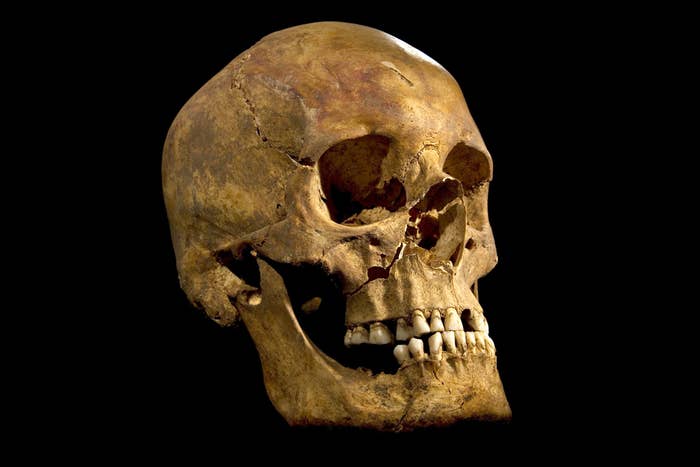
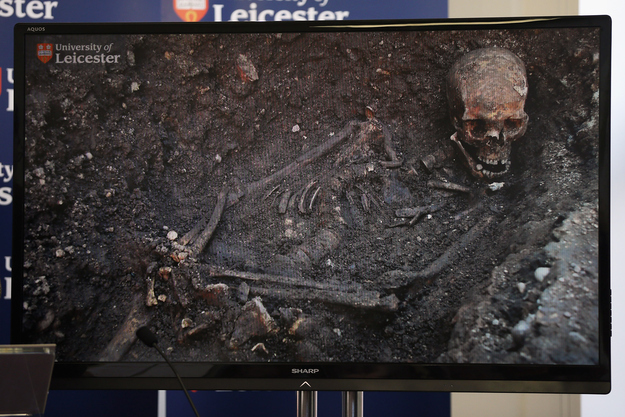
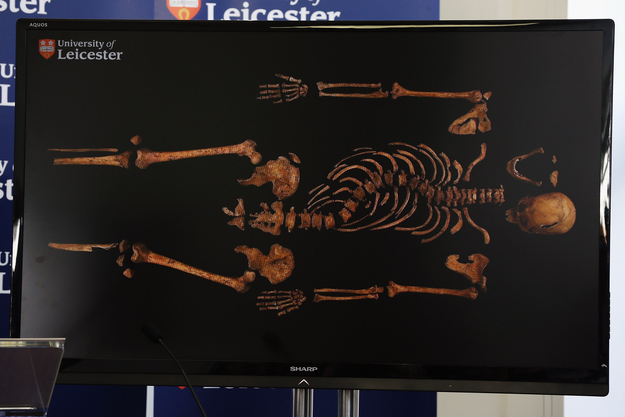
They also found the skeleton of a man with a curved spine and battle wounds, consistent with contemporary descriptions of Richard III (his "uneven shoulders" appear in many accounts) as well as the circumstances of his death.
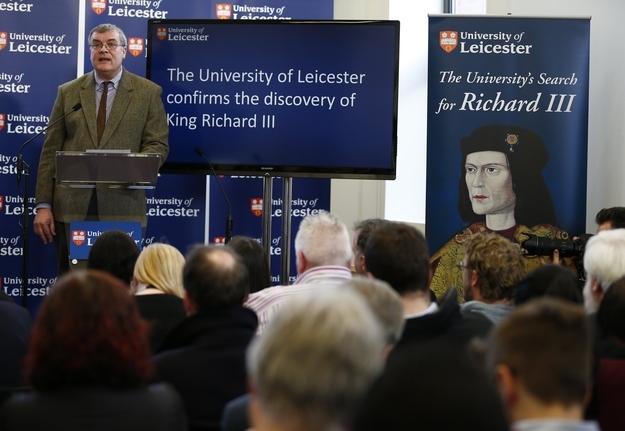
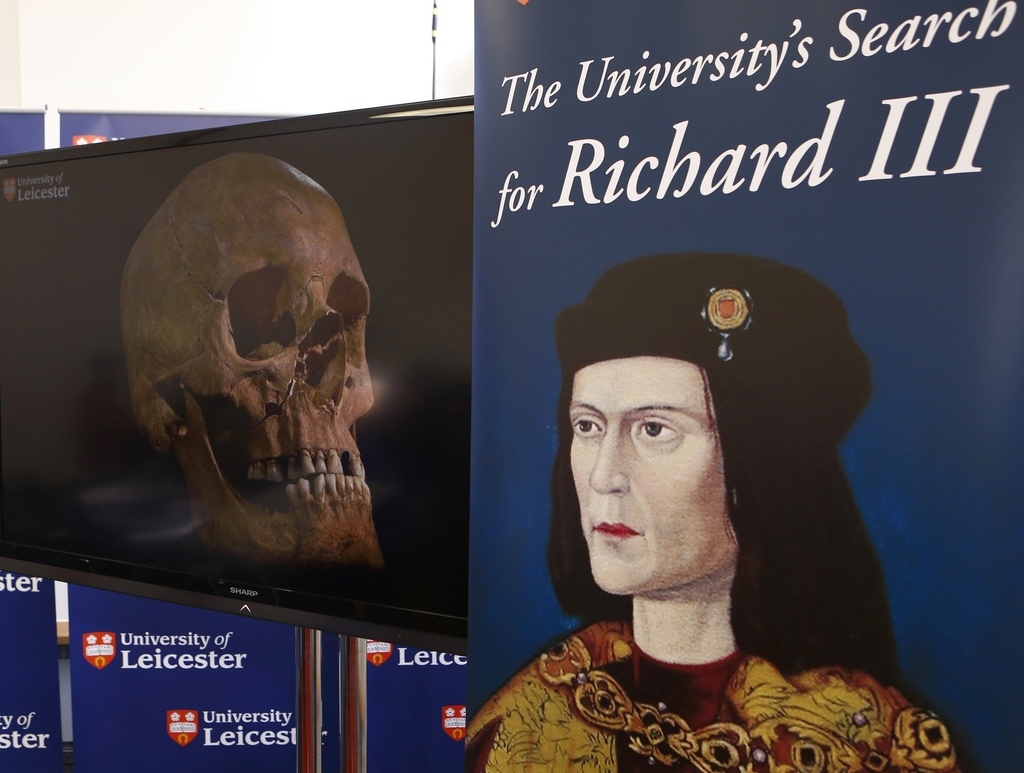
In a media conference today, University of Leicester scientists identified the remains as those of King Richard III "beyond reasonable doubt."
Radiocarbon dating, radiological evidence, DNA and bone analysis and archaeological indicators were used to confirm the identity of the fallen king.
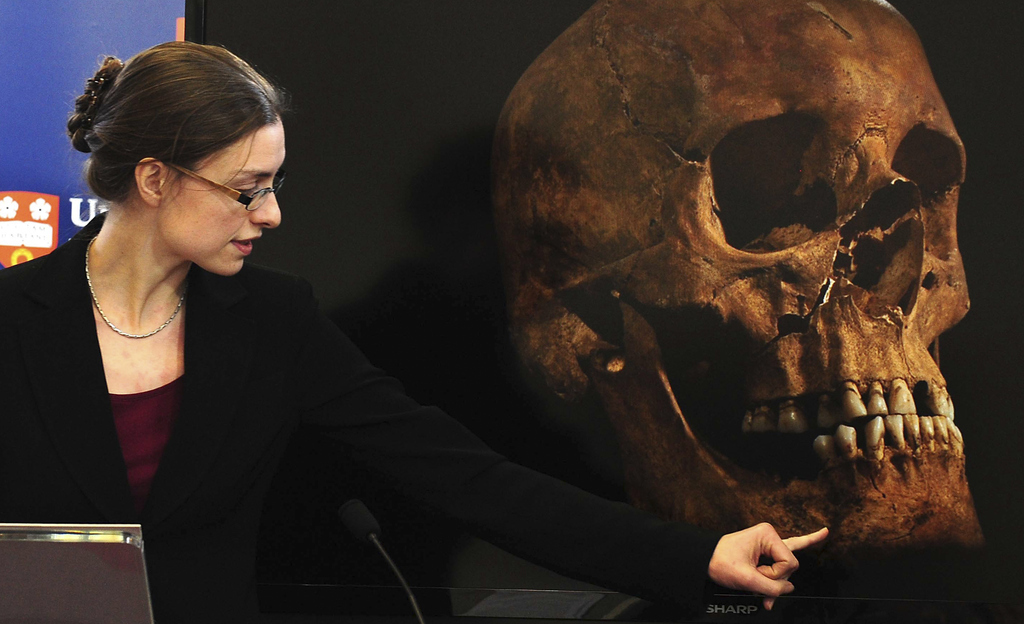
Skeletal analysis carried out by University of Leicester osteoarchaeologist Dr Jo Appleby showed that the individual was male and in his late 20s to late 30s. Richard III was 32 when he was killed.
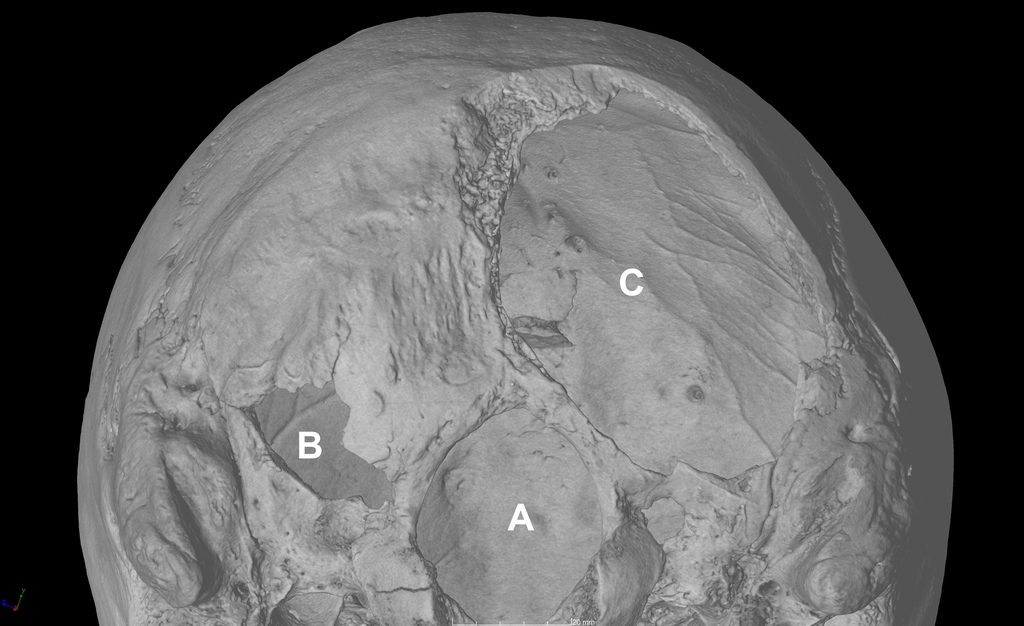
Trauma to the skeleton indicates the individual died after one of two significant wounds to the back of the skull, possibly caused by a sword and a halberd. These injuries are consistent with contemporary accounts of Richard's death.
University of Leicester geneticist Dr. Turi King confirmed that DNA from the skeleton matches that of two of Richard III’s family descendants.
Radiocarbon dating revealed that the the individual died in the second half of the 15th or in the early 16th century amd had a high protein diet – including significant amounts of seafood – meaning he was likely to be of high status.
Watch the lead archaelogists explain the process through which they found and identified the remains: